
 EN
EN  EN
EN

Diesel engines are strong engines used in trucks, buses, and construction equipment. Unlike petroleum-run gasoline engines, they run on diesel fuel. Diesel engines are so durable and fuel-efficient that they’re a mainstay in tucks, buses and construction equipment.
What is a diesel engine and how does it differ from a gas engine?
A diesel engine is an internal combustion engine that runs on diesel fuel. While gasoline engines use spark plugs to ignite the fuel, diesel engine pumps are designed to ignite the fuel-air mixture through compression. This is called compression-ignition. When the fuel enters the cylinder, the piston compresses it and it becomes hot enough to catch fire. This little explosion pushes the piston down; the crankshaft is turned and the car is given power.
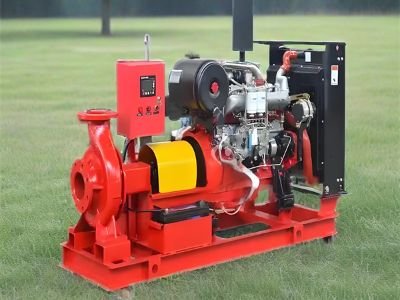
Understand the different types of diesel engines.
Diesel engines come in several varieties precisely made for varying applications. The most commonly used form is a inline (straight engine) and this type of engine will have each of its cylinders arranged in a straight line. It is simple and effective design for workout smaller waste vehicles such as car and truck. The diesel engine pump unit arrange the cylinders in a V shape to fit more into the same space. This design is commonly seen in larger vehicles such as buses, boats etc. Yet another type is the radial diesel, which is made up of the cylinders situated in a circle around the crankshaft. This design is pocket-sized and packed with even more power flight and bike friendly.
The major components of a diesel engine, and their functions.
Diesel engines consist of a multitude of key components that cooperate to create power. The cylinder is where the fuel and air are compressed and ignited. The piston travels up and down in the cylinder, which causes the crankshaft to rotate. The crankshaft changes the up and down motion of the pistons in to rotary motion, which moves the car. The injection system allows for the correct fuel amount to be fed to the cylinders and at the right time for optimal combustion. The engine is kept below melting point by a coolant that runs over the cylinders in the cooling system.
Learn the essential differences that set diesel engines apart from other types.
A diesel engine shares several similarities with a gasoline-powered engine, but the key difference is that it utilizes some form of fuel injection. Direct fuel injection is widely applied in diesel engines, for these engines fuel is injected into a cylinder directly. This enables more accurate control of the combustion process, increasing efficiency and power. The other important device is the glow plug which preheats the cylinder ahead of starting the engine. This is crucial, as diesel is a high-temperature fuel, and needs to be heated up in order to burn and ignite when the weather is cold. The turbocharger is also a key ingredient in diesel engine pump set performance and efficiency and works in much the same way by blowing highly pressurized air into the engine's cylinders forcing even more air into the cylinders.
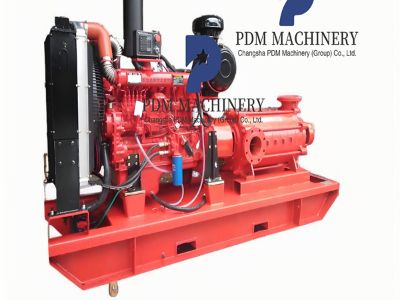
An appraisal of the component parts of a diesel engine and their functions.
In order to know how does a diesel engine work, you should take a closer look to what parts the engine has. The cylinder compresses the fuel–air mixture and the high pressure generates high temperature which is the ideal condition for burning of fuel. The crankshaft, powered by the piston, spins the wheels of the car. Fuel InjectionA fuel injection system delivers the right amount of fuel at the right time, providing easy starting and responsive power. The cooling system’ prevents the engine from overheating and enables it to function efficiently for as long as possible. Diesel engines are rugged workhorses that are essential to many commercial applications.
Table of Contents
- What is a diesel engine and how does it differ from a gas engine?
- Understand the different types of diesel engines.
- The major components of a diesel engine, and their functions.
- Learn the essential differences that set diesel engines apart from other types.
- An appraisal of the component parts of a diesel engine and their functions.