EN Home > showlist
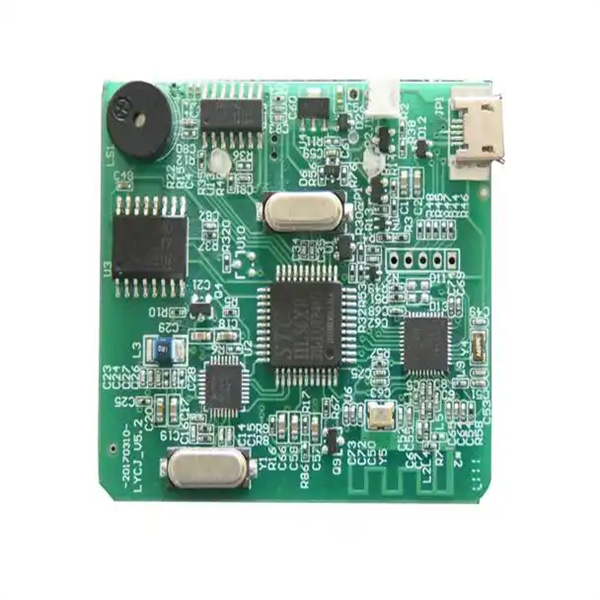
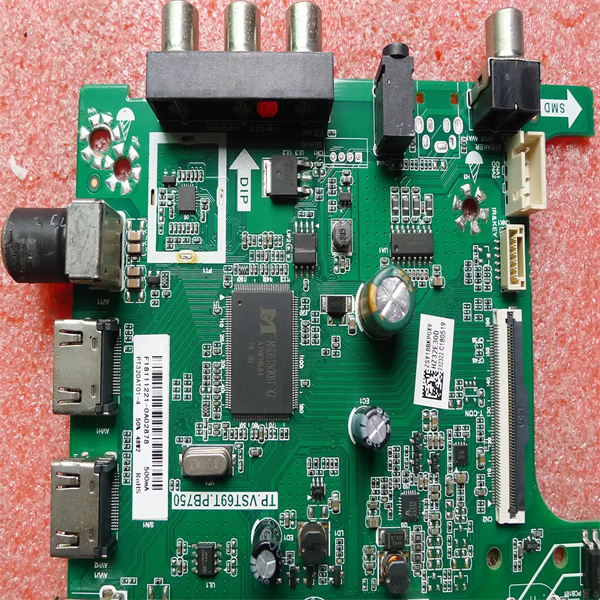
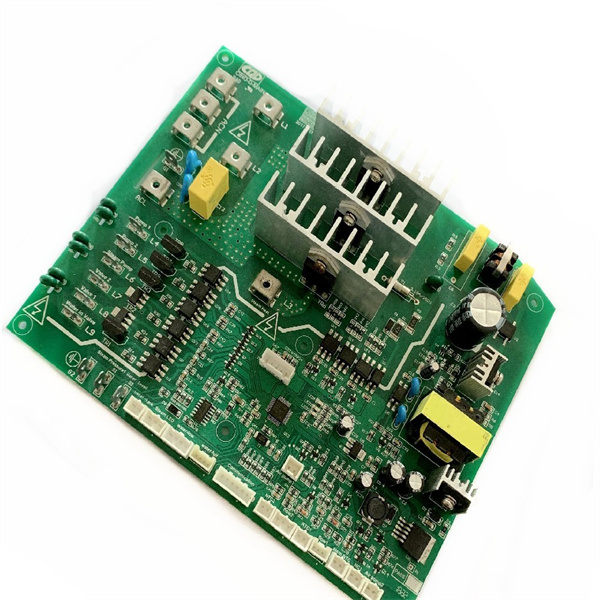
Did you also know that PCBs (printed circuit boards) are very instrumental for electronic devices to function correctly? In this guide, we will show you the very basics of PCB design and help get you started on your first board. We will also discuss why it is important to properly orient components and ensuring signals travel the way they are intended to. Welcome to the world of Pdmpump printed circuit board designign.
While you’re placing all those parts on your board, think about how much heat they generate, the path of electricity or light, and accessibility for any troubleshooting. With good attention to layout, you don't necessarily need to run your Pdmpump printed circuit board pcb design through a lot of revisions to make it work well.

Grounding methods are likely to be applied in order to improve the signal. The grounding can help keep down noise, but, the noise itself isn’t worth worrying about, and the better the signal, the less likelihood there is of noise. There are other products you can use to avoid problems as well, such as impedance matching to clean up signals.

There are tricks if you do design printed circuit boards for a living to get your PCBs quickly. High-speed Pdmpump pcb printed circuit board needs the consideration of the delay and reflection of the signal. Performance, in the meantime, can be improved with features such as controlled impedance routing and differential signaling.

This controlled impedance routing involves modifying the values of traces to ensure that signals stay strong. Differential signaling takes care of that by sending the signal as pairs of traces and not having the signals mix. Signal vias are the way we pass a signal from one layer of the PCB to another, and they can make it easier to route high-performance signals.