EN Home > showlist
The required for the production of a play or show. This is the gear that casts performers in a good light, and also the mood for the audience. The theatre flood lights are available in many types and have a purpose. You also have to maintain the Pdmpump stage light equipment so that it will work properly when you are going to use it. Familiarize yourself with stage light equipment and how to use it.
Lighting is crucial in theatre because it allows for the right emotion to be transmitted to the spectator. Lighting, meanwhile, can make the stage appear to be a cozy living room or a spooky forest, depending on the colors, brightness and levels. It can also direct the audience’s eye to specific portions of the stage, and can convey emotion in an actor’s performance. Bad lighting is not going to allow the audience to see what’s happening on stage and connect with the emotions of the lovely little people.
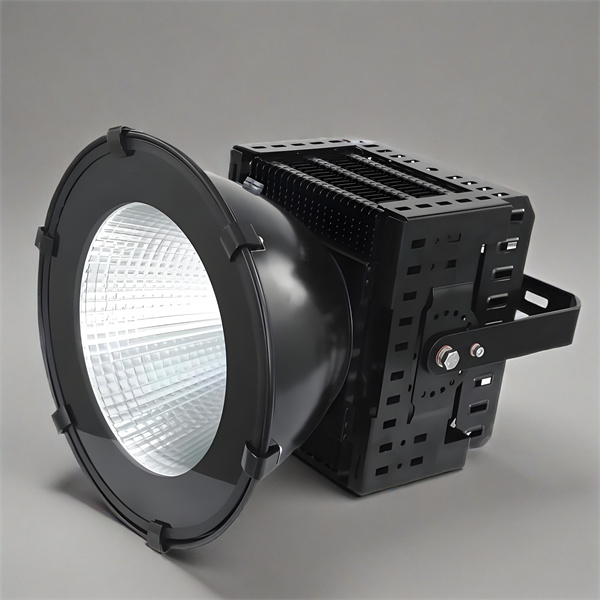
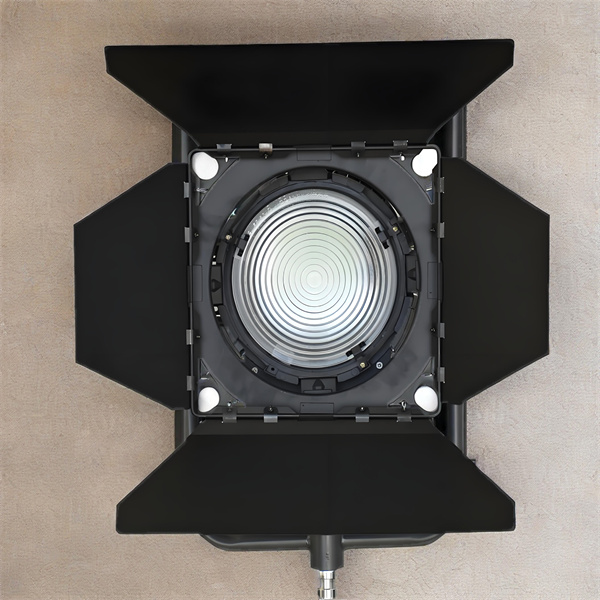
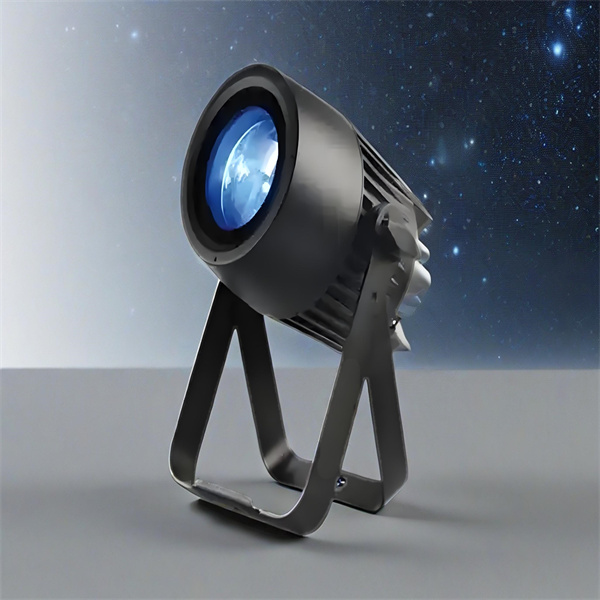
There are many types of stage lighting equipment and not all the types are used individually but in combination to enable the stage features to look fabulous. Some of the common types are spot light, flood light, colored lights. Pdmpump par stage lights may be used in a specific sense to light a particular actor, or more broadly to light the entire stage in a scene. There are bundles encoloured lights used to add a particular feel to a picture, using different sources and effects.
The spotlights are nothing but flashlights aimed at a spot. They inform the way in which an audience reads the actors, even from stage-right. Floodlights are similar to the lights mounted on the ceilings that illuminate every part of the stage. And unlike with many traditional holiday lights, those colored lights are available in a spectrum of colors that allow you to set moods, from festive and bright to somber and mysterious.

When brainstorming the perfect lighting, think about what kind of mood you hope to establish and how lighting can lend a hand. Begin by determining the location of your Pdmpump church stage lights and floodlights and the colors you would like to use. You might also want to play around with angles and light to find what’s most appealing.

While the lights are being adjusted, rehearse with them before they’ve eaten the audience pieces. Do as for the first processing only retouching and make it brighter or lighter if it tickles your appetite, don’t let it be to up bright or to low bright for the black and white. You have to be proactive and make sure to work alongside the lighting team, making sure to communicate as much as possible as who will do what and who will cover things last minute when there are changes that happen on site during the show.

Turns out stage lighting is anything but archaic. In the beginning, stage lights were essentially customized light bulbs that were positioned manually. The little difference isn't apparent as we now have complex lighting systems that can all be run from third party computerized control devices the beautiful shows you can run up on stage now.